MARKT-PILOT
Expanding a brand into a scalable design system, rethinking its architecture for AI-assisted development, and accelerating product innovation through rapid prototyping and research.
The Challenge
My initial engagement with MARKT-PILOT focused on extending its established brand into the product experience and expanding its existing design system. What began as a visual and component-level initiative quickly exposed deeper challenges in how the system connected design and development.
That led to a second engagement to rethink the design system's underlying architecture, moving beyond a traditional Figma component library toward a more structured, AI-ready foundation. The work eventually evolved into a longer partnership supporting product research, experience design, and AI-assisted prototyping for a broader product modernization.
Expanding the Brand and Design System
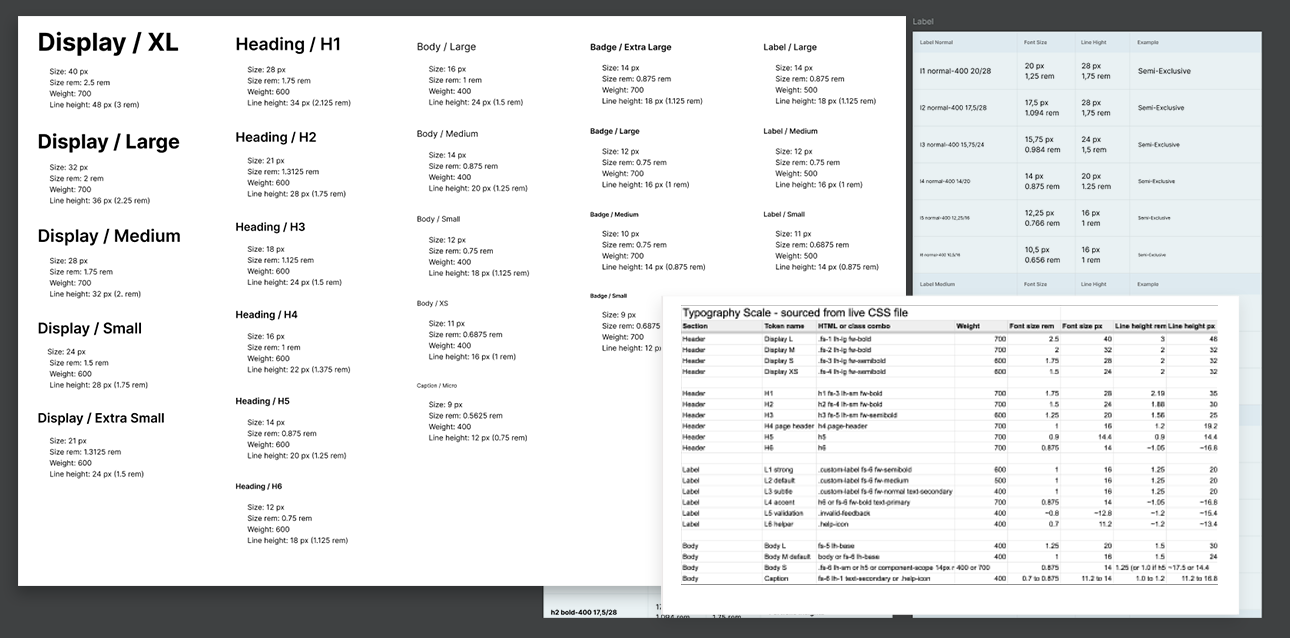
The first phase focused on translating MARKT-PILOT's brand into a more cohesive product experience. I expanded the existing component library, established consistent visual patterns, and worked to align the design language with the application's PrimeNG framework.
As the library grew, gaps between Figma and the underlying component framework became increasingly apparent. I used data scraping and AI-assisted analysis to extract PrimeNG component properties, variants, and states, building a clearer picture of what the design system needed to support.
Rethinking the Architecture for AI
The second engagement took a more fundamental look at how the design system was structured and maintained.
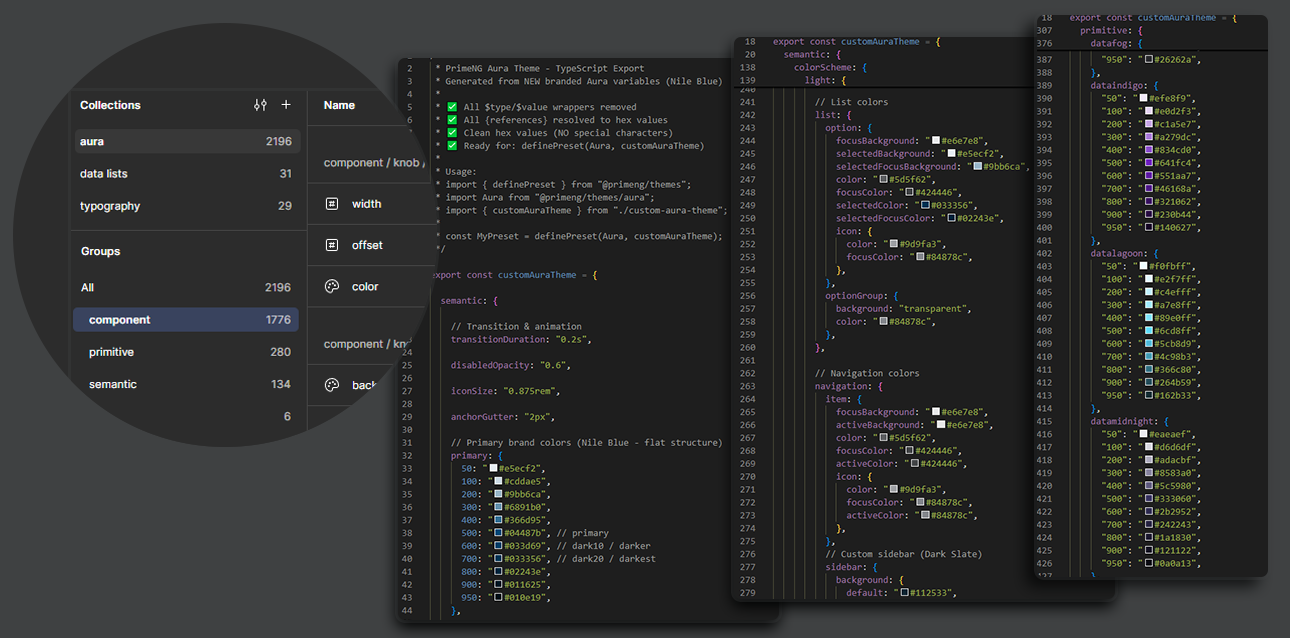
PrimeNG's extensive network of primitive, semantic, and component-specific tokens presented a significant challenge, particularly when attempting to maintain consistency between design decisions and production code.
I explored AI-assisted approaches to organizing token relationships, identifying inconsistencies, and generating structured configurations. The goal was to make the system easier to maintain while establishing a foundation that designers, developers, and AI-assisted workflows could all understand and use.
Accelerating Product Innovation
The success of the design system work expanded into a third engagement supporting MARKT-PILOT's product modernization.
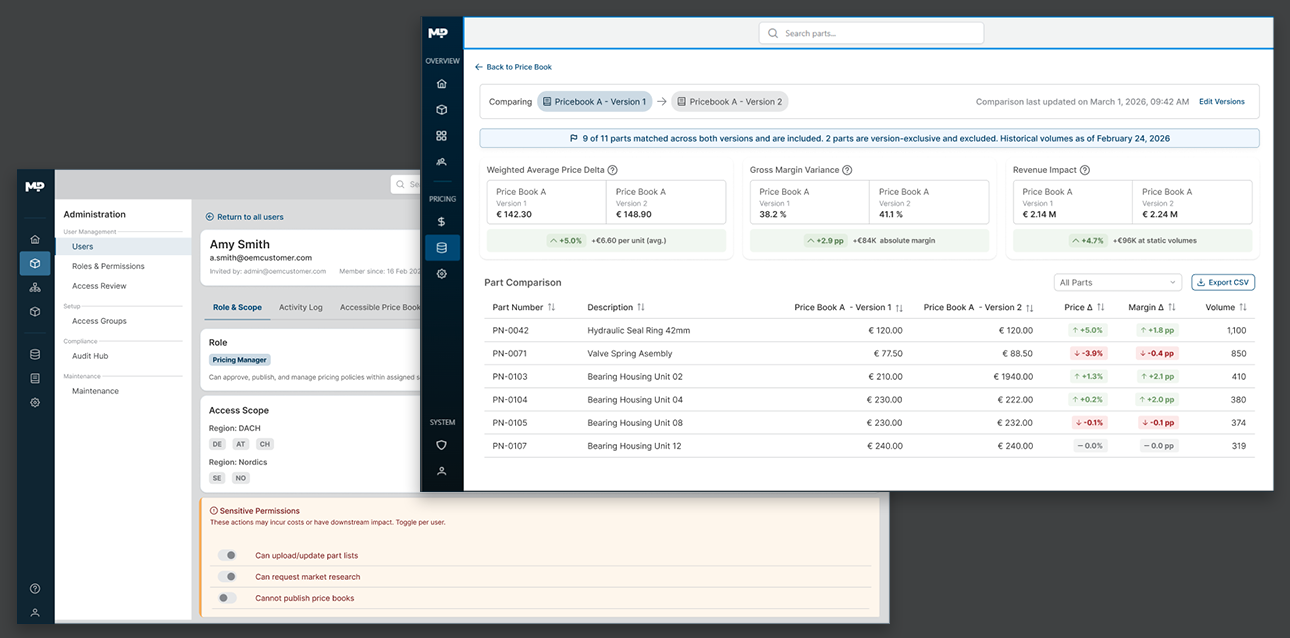
With a stronger design foundation in place, I began using AI-assisted prototyping to rapidly explore new workflows, interface concepts, and interaction patterns. Functional prototypes made it possible to evaluate ideas earlier, incorporate research findings, and iterate without the overhead of traditional design-to-development handoffs.
This work brought together product research, experience strategy, and hands-on design, using AI to accelerate the exploration and evaluation of new product experiences.
The Impact
What began as a focused brand and design system expansion evolved into a broader partnership spanning design architecture, AI integration, product research, and rapid prototyping.
Each engagement built on the previous one, extending the value of the original design system investment while creating new opportunities to accelerate product development. The work demonstrated how a connected design foundation could support both immediate product improvements and a more flexible approach to ongoing innovation.